
Lore
DONT SPLASH lore and inspirations: Poolrooms-style corridors, the House of the Locust nod and why the tagline 'DONT SPLASH, IT KNOWS' defines the horror.
Introduction
The Lore hub gathers the inspirations and atmosphere behind DONT SPLASH's eerie flooded maze. The game is deliberately light on explicit storytelling — there are no cutscenes and no dialogue — so its lore lives in the environment and the tagline. The glowing, featureless tile corridors echo the Poolrooms, the famous liminal backrooms sub-level, and the experience openly nods to the House of the Locust for its quiet-dread atmosphere. The tagline 'DONT SPLASH, IT KNOWS' condenses the whole fiction into six words: the water is not scenery, IT is always listening, and every ripple is a confession. We keep this section grounded — the inspirations are documented, and we avoid inventing hidden backstory the game never confirms.
Lore & Inspiration Flow
| Inspiration | What It Is | How It Shows Up |
|---|---|---|
| Poolrooms | Famous liminal backrooms level | Glowing tile corridors, standing water, empty geometry |
| House of the Locust | Roblox horror experience | Quiet, suffocating dread without jump-scare reliance |
| IT knows | The game's tagline | Reinforces that the water is always being listened to |
| Liminal horror | Familiar spaces made eerie | Recognizable pool rooms turned unsettling through emptiness |
Lore Threads
Poolrooms
The visual foundation
House of the Locust
The quiet-dread influence
IT Knows
The six-word fiction
Liminal Horror
Familiar space, wrong mood
Water as Threat
The inverted everyday
Core Mechanics
DONT SPLASH builds its fiction almost entirely through atmosphere and implication rather than exposition. Visually, the maze is a poolroom fantasy: glowing white-and-teal tile corridors, silent standing water and long, empty stretches that feel familiar from every indoor pool a player has visited — then slowly become wrong. The liminal horror trick is to take a mundane space and remove the people and the welcome until the familiar itself feels hostile. The gameplay loop then reinforces the fiction: because splash detection is a real, consistent rule, the monster is not a scripted scare but a genuinely omnipresent listener, which makes the tagline 'DONT SPLASH, IT KNOWS' feel mechanically true rather than decorative. The known inspirations — Poolrooms and House of the Locust — give the mood a lineage without locking the game into an explicit canon.
Advantages
The lore's strength is that it never gets in the way of the gameplay. Because there is no dialogue or cutscene, the fiction lives entirely in the environment and the rule set, which keeps the horror universal — players who never read a single lore post still grasp the dread instantly from the empty corridors and the charging monster that only hears you. The Poolrooms inspiration also gives the game a recognizable visual identity that travels well in clips: those glowing tile corridors read as 'liminal horror' to anyone who has seen backrooms content, which makes the aesthetic instantly understood. By borrowing existing horror language (liminal spaces, silent water) instead of inventing a complex canon, DONT SPLASH makes its mood accessible to a massive casual audience.
Challenges
The lore's lightness is also its limit. Fans looking for a real story — characters, factions, a revealed history for IT — will find almost nothing to pull on, because the game deliberately withholds narrative in favor of atmosphere. The documented borrowings (Poolrooms, House of the Locust) are visible to horror fans but easy to miss for younger players, and the line between 'inspired by' and 'homage' is thin enough that some viewers may read the maze as unoriginal or derivative. Finally, the biggest risk in lore discussion is over-reading: the game confirms inspiration and a tagline, but nothing about IT's origin or the maze's purpose is canon, so any deep theory is speculation and should be labeled as such.
Frequently Asked Questions
What are the Poolrooms?+
What is the House of the Locust?+
Who or what is IT?+
Does the game have a real story?+
Quick Tips
Read the maze like a horror set rather than a level map. Every glowing corridor and standing pool of water is a storytelling beat that repeats the game's two themes — familiar pool spaces made alien, and a silent, omnipresent threat that never announces itself until it is already charging toward your last splash.
When you see something that looks like a Backrooms Poolrooms map, that is intentional — the visual identity is the lore. There is no hidden plot to unlock and no secret codex in the corridors; the game communicates through atmosphere alone, so absorb the mood rather than hunting for story beats that were never written into the maze.
Label your theories as theories when you share them. The game confirms its inspirations and a tagline, but nothing about IT's origin or the maze's purpose is canon — over-reading risks teaching false lore to new players, and the horror of the unknown works better when the mystery is allowed to stay a mystery.
Featured
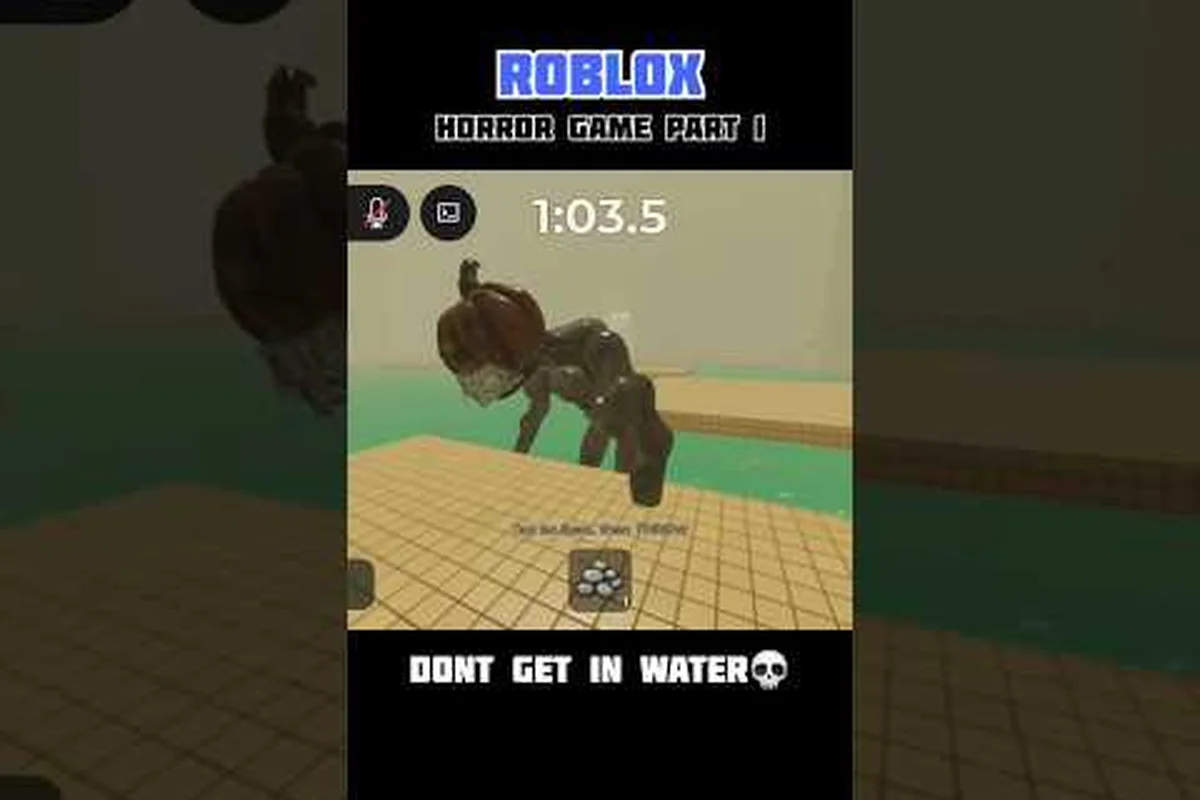
DONT SPLASH lore: Story and Origins Revealed
Uncover dont splash lore through IT, the flooded maze, Poolrooms inspiration, and the mystery behind the warning that it knows you.
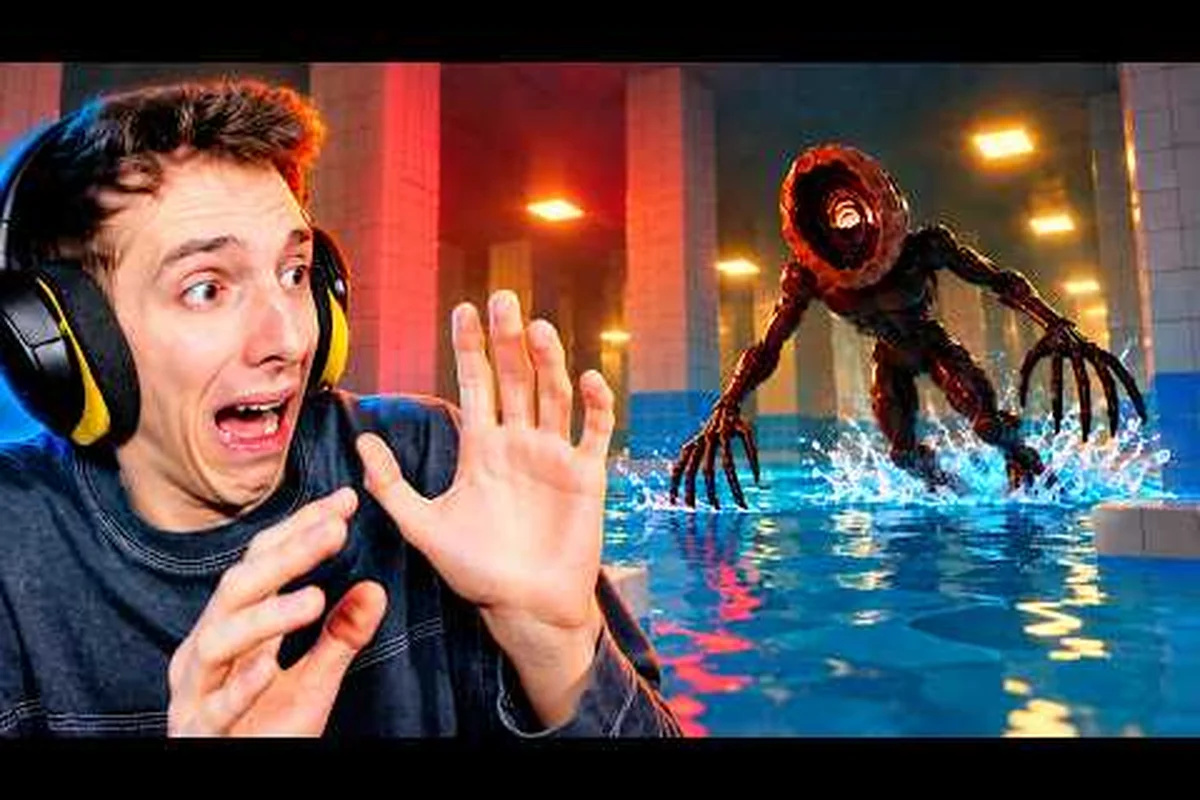
DONT SPLASH Horror Lore Theories: Entity Origins
Explore DONT SPLASH horror lore theories about IT, the pool maze, and possible Backrooms or Poolrooms links without treating speculation as confirmed lore.
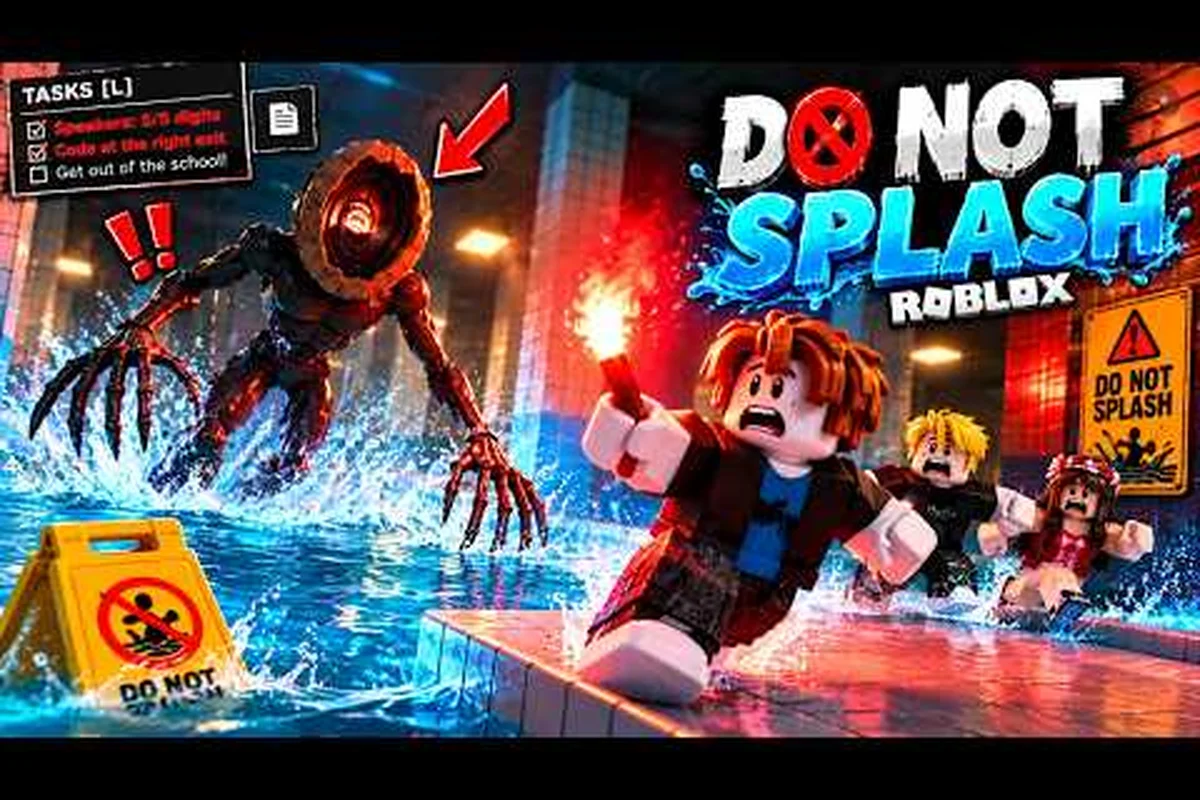
DONT SPLASH horror obby theme: Setting and Meaning
Explore the dont splash horror obby theme through its flooded complex, abandoned pool maze, eerie tagline, and the ominous warning that IT knows you.
All Articles
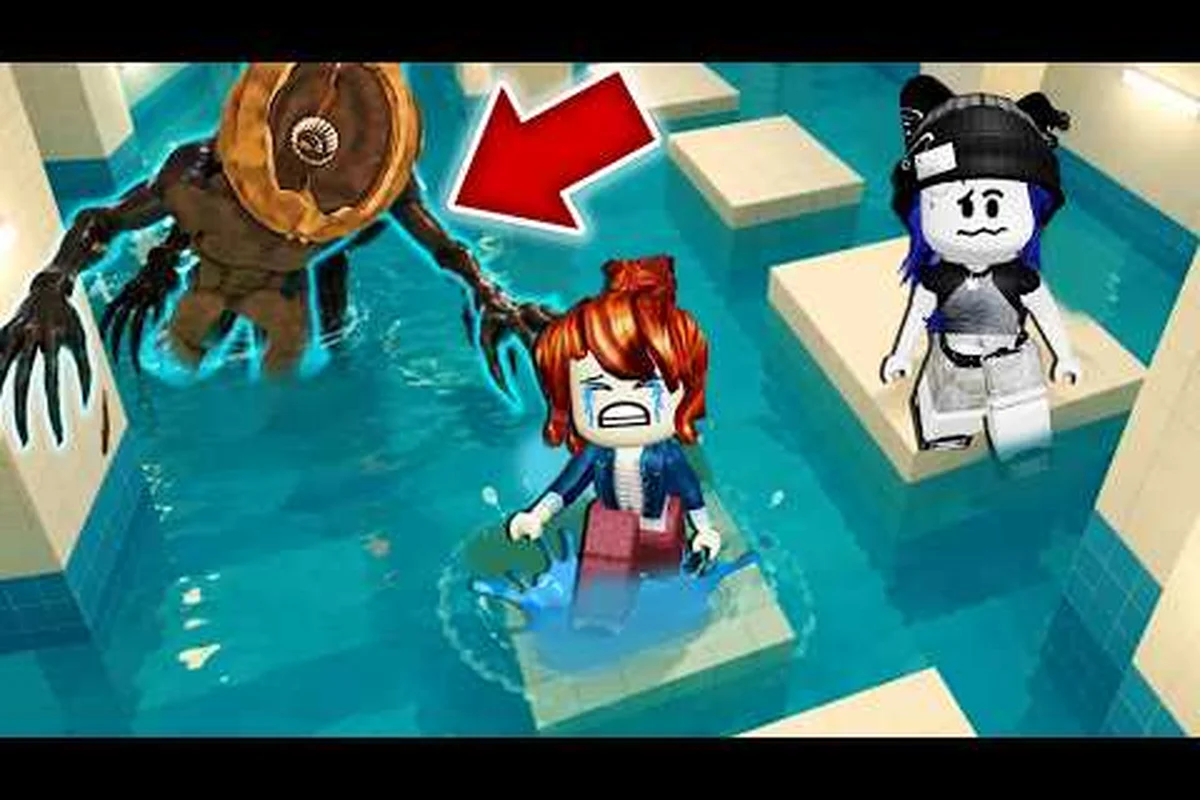
DONT SPLASH poolrooms inspired: Horror Influences
Explore dont splash poolrooms inspired atmosphere, focusing on liminal spaces, House of the Locust, tiled corridors, still water, and the blind creature's presence.
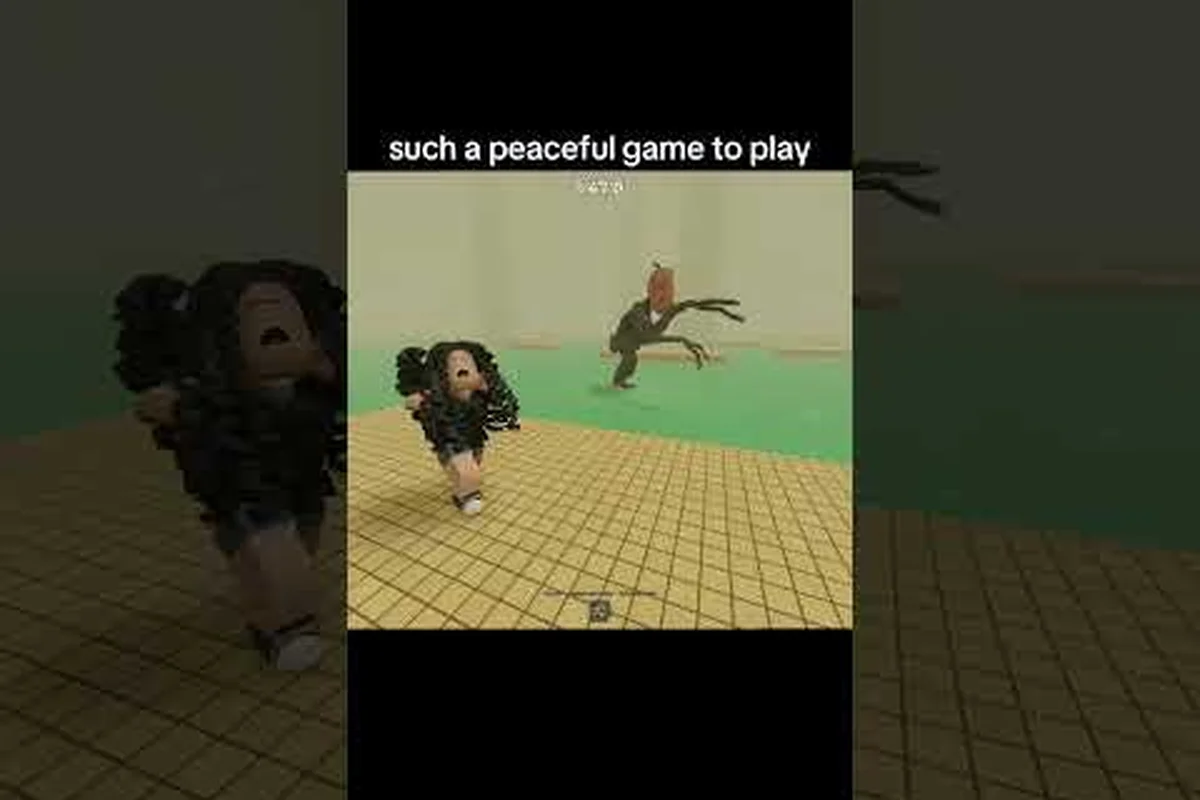
DONT SPLASH psychological horror: Dread Explained
Explore dont splash psychological horror through its blind stalker, still pools, liminal corridors, and unsettling calm that turns every splash into a threat.
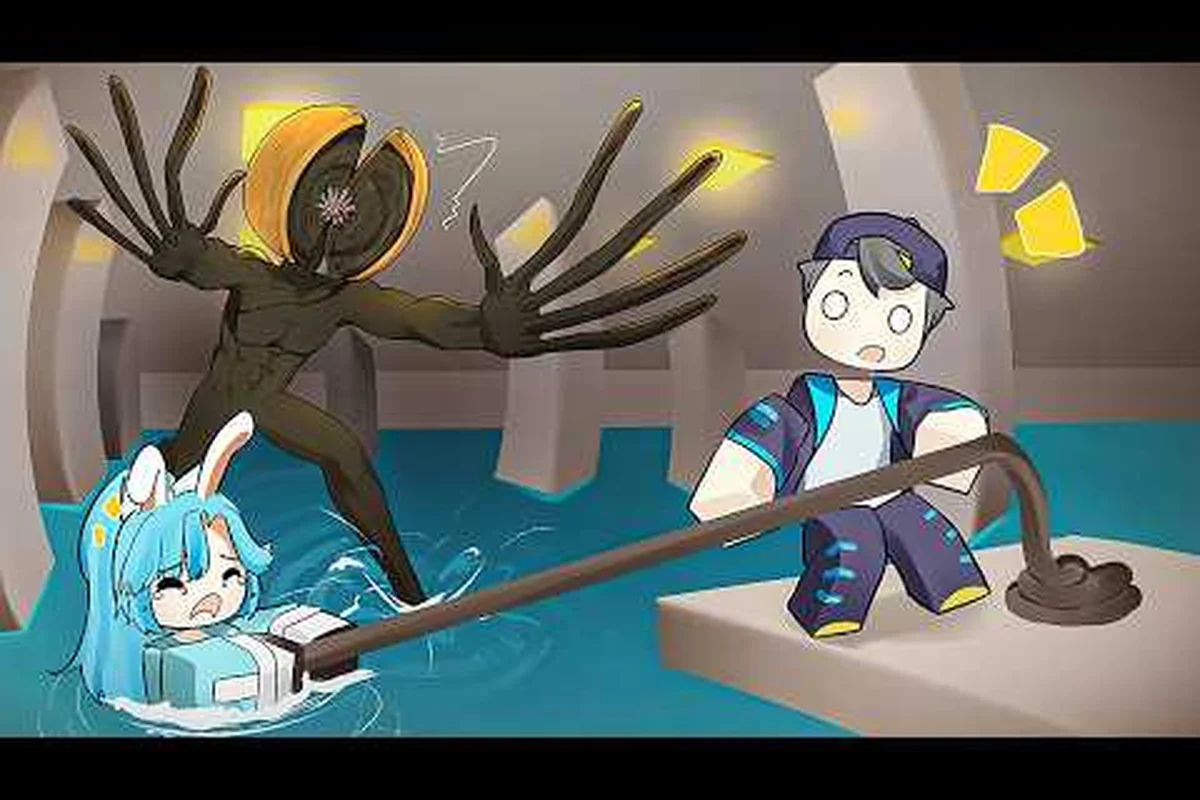
DONT SPLASH sound design: The Monster Hears You
Analyze dont splash sound design, from water-triggered pursuit and ambient pool echoes to quiet footsteps, warning cues, and why silence matters against IT.