
Monster
Learn how the blind monster IT hunts by water sound — splash triggers, audio cues, pebble lures and charged intercepts — and stay one step ahead of every alert.
Introduction
The Monster hub is everything we know about IT — the unnamed creature that hunts every DONT SPLASH run. IT is the reason the game is a horror obby instead of a simple platformer: completely blind, driven purely by the sound of water, and always moving toward the last splash it heard. This section collects the community’s tested understanding of IT — what counts as a splash, how the audio cues work, when IT charges, how pebble lures redirect it and what to do when a charge is already heading for your exact position. If you learn only one page on this site, make it this one: understanding IT converts DONT SPLASH from a frustrating stealth stumble into a game of readable, winnable survival.
IT Behavior Quick Reference
| Behavior | Trigger | Warning Sign | Counter |
|---|---|---|---|
| Splash Detection | Any water contact | Ripple sound + IT turns | Stay dry; stop moving when unsure |
| Charge Intercept | Alert near your position | Fast ripple toward you | Move to a platform IT cannot reach |
| Pebble Lure | Pebble lands in water | IT redirects to the new splash | Throw far from your intended route |
| Noise Distraction | Loud machines / nearby players | IT investigates the noise source | Time valve turns while IT is busy |
IT Behavior Cards
Blind by Design
The rule everything hangs on
Splash = Alarm
The alarm that starts everything
Audio Cues
Your free radar
Pebble Lure
The only real distraction
Charged Intercepts
The danger after the throw
Core Mechanics
IT operates on a simple but terrifying rule set that the whole game is built around. It cannot see avatars under any circumstances — sight is not part of its design. Instead it listens for water: falling into the pool, grazing the surface mid-jump, or any other splash registers as an alarm that updates its mental map of where you are. Once alerted, IT can charge toward the splash zone, and a charge can catch you mid-air if you are still crossing the platforms there. The community learned to read IT through audio cues — a ripple means it noticed, a fast approach ripple means it is committed, and a retreat means it lost interest. Pebbles are the only active lure: throw one into distant water and IT will investigate that splash instead of your route, creating a window that veteran players use to cross bridges, open valves and finish runs.
Advantages
The monster being blind is the single biggest advantage a player has, and the entire meta of DONT SPLASH flows from it. You never need to hide in a dark corner or outrun a vision cone — you only need to control sound. That makes the game deeply strategic: pebbles become a limited resource that wins rooms, audio cues become a free radar, and headphones become a genuine gameplay advantage rather than a comfort feature. Because IT always moves toward the loudest recent splash, informed players can treat the maze as a stage — baiting the creature across the map, opening valves during its patrols, and completing routes that would be suicide against any sighted enemy. Learning IT is not optional side knowledge; it is the actual skill the game tests.
Challenges
The flip side is that everything dangerous about IT comes from the same blindness that makes it exploitable. Because IT reacts to every splash, the game punishes even controllable accidents — a slightly mistimed jump, a bump against a wall that clips the water, a dropped item — by converting them into an instant alarm. Multiplayer makes this worse: other players’ splashes and noises can pull IT onto your route even when you did nothing wrong. And IT is not mindless: once it charges toward your splash zone, it can intercept you in mid-air, so even a successful pebble throw leaves a short window where you must watch its position rather than assume the lure bought free time.
Frequently Asked Questions
Can IT actually see me at all?+
How do I read IT through audio?+
When should I throw a pebble?+
What do I do when IT charges at me?+
Quick Tips
Learn the three audio tells — ripple, charge and retreat — before you learn any stage layout. Every room becomes dramatically easier once you can hear where IT is and what it intends, because the tells turn the invisible hunter into a readable opponent, and the layout knowledge then has a safe context to slot into instead of being memorized blind.
Treat the pebble as a route currency, not a weapon or a toy. Eight throws per run means you can win two or three high-stakes rooms with lures; spending them on casual crossings leaves nothing for the valve puzzle, where a well-timed distraction is the difference between a clean escape and an interception mid-pull.
After any throw, watch IT, not the pebble. The creature will charge toward the new splash, and a confident player uses that exact moment to cross the bridge or pull the valve. If you look away, you will not know whether the distraction actually worked until IT is already mid-charge at your feet.
Featured
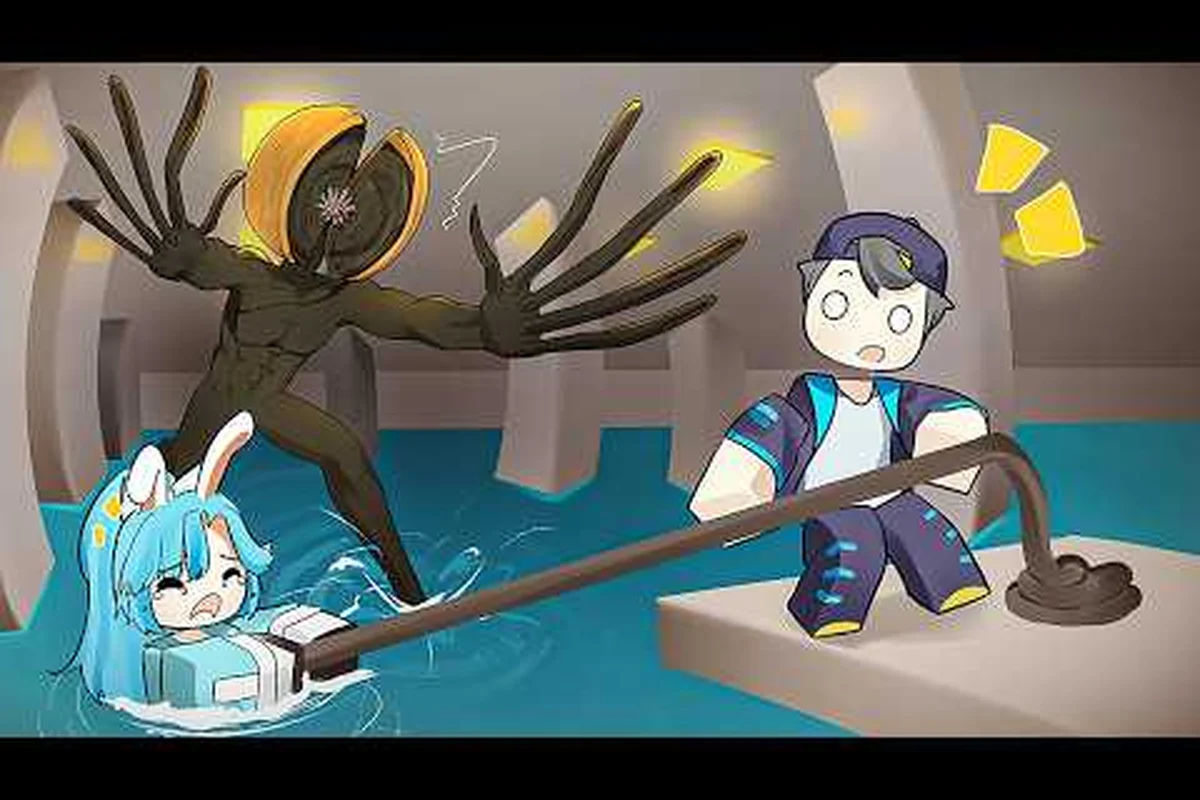
DONT SPLASH water sensitive monster: How IT Finds You
Understand the dont splash water sensitive monster, how IT detects splashes, patrols below the surface, and closes in on noisy players.
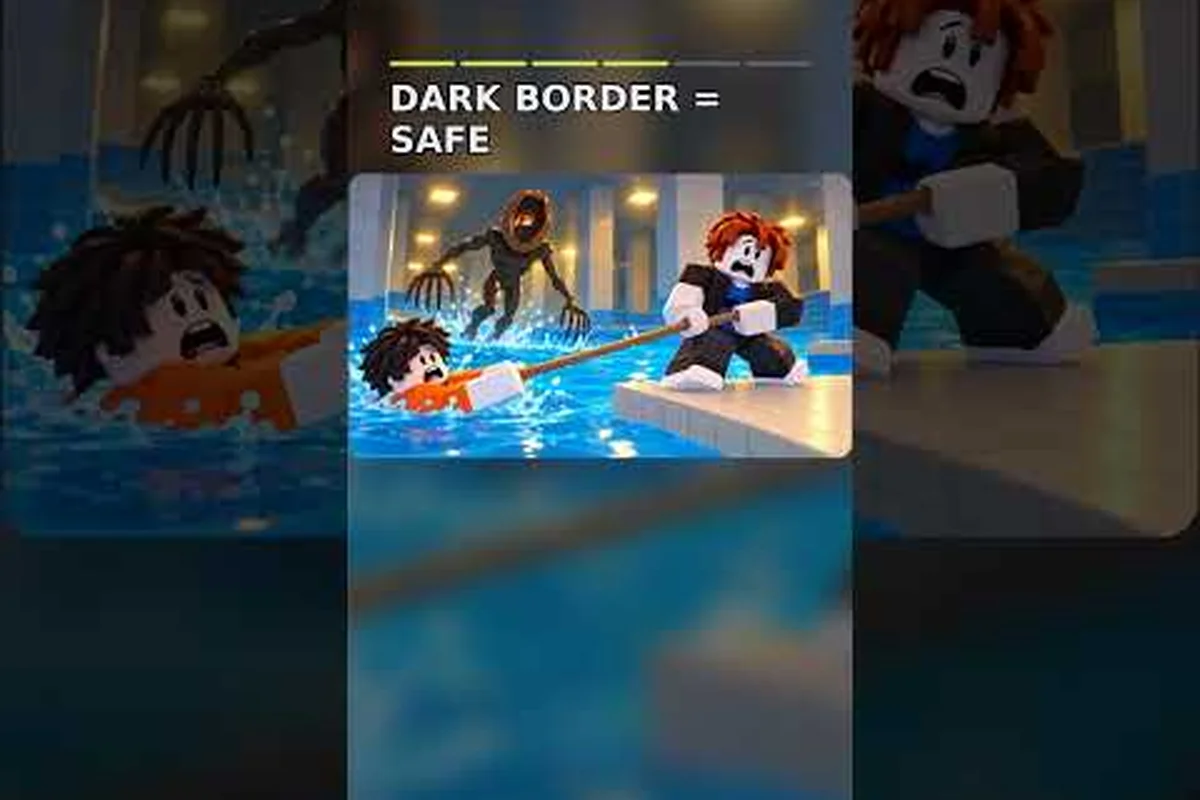
DONT SPLASH Distract the Creature: Pebble Lure Guide
Discover dont splash distract the creature methods using pebbles, flares, and water placement to redirect IT without revealing your position.
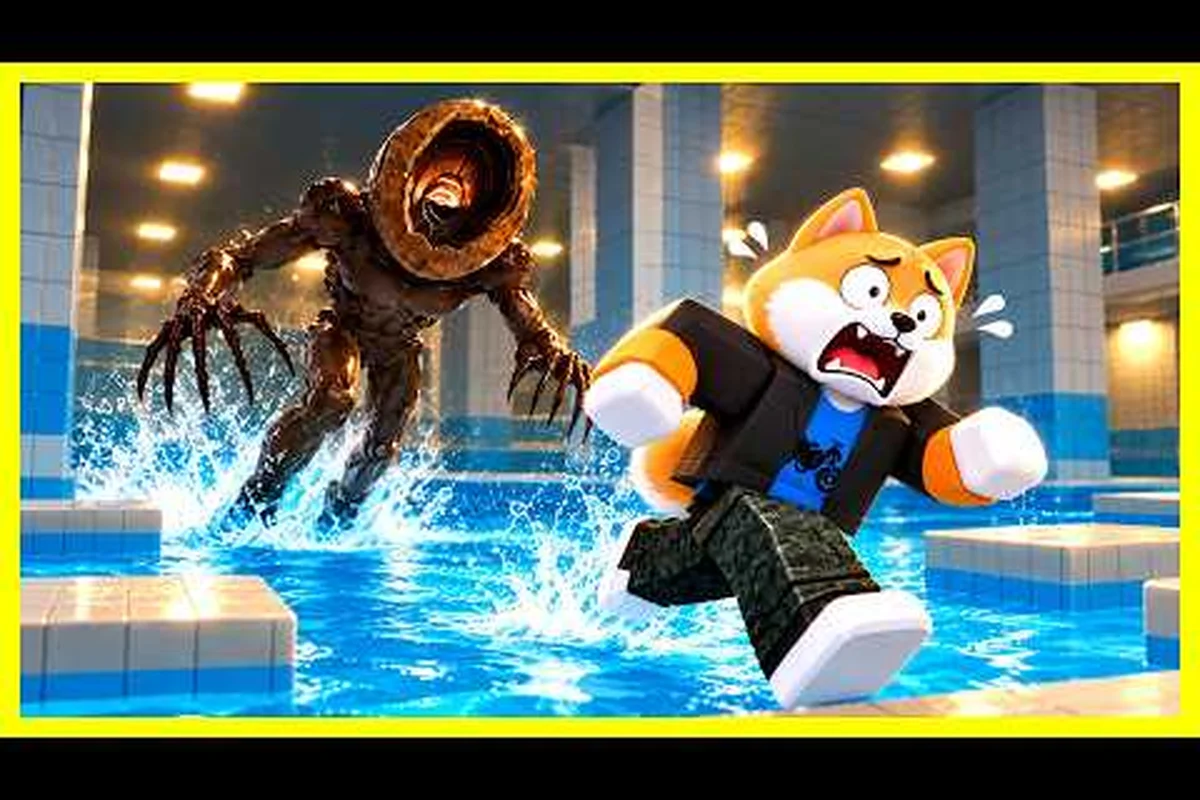
DONT SPLASH monster chase: Hear IT Approach
Survive the dont splash monster chase by learning IT's audio cues, avoiding water, using pebble decoys, and reacting before a jumpscare.
All Articles
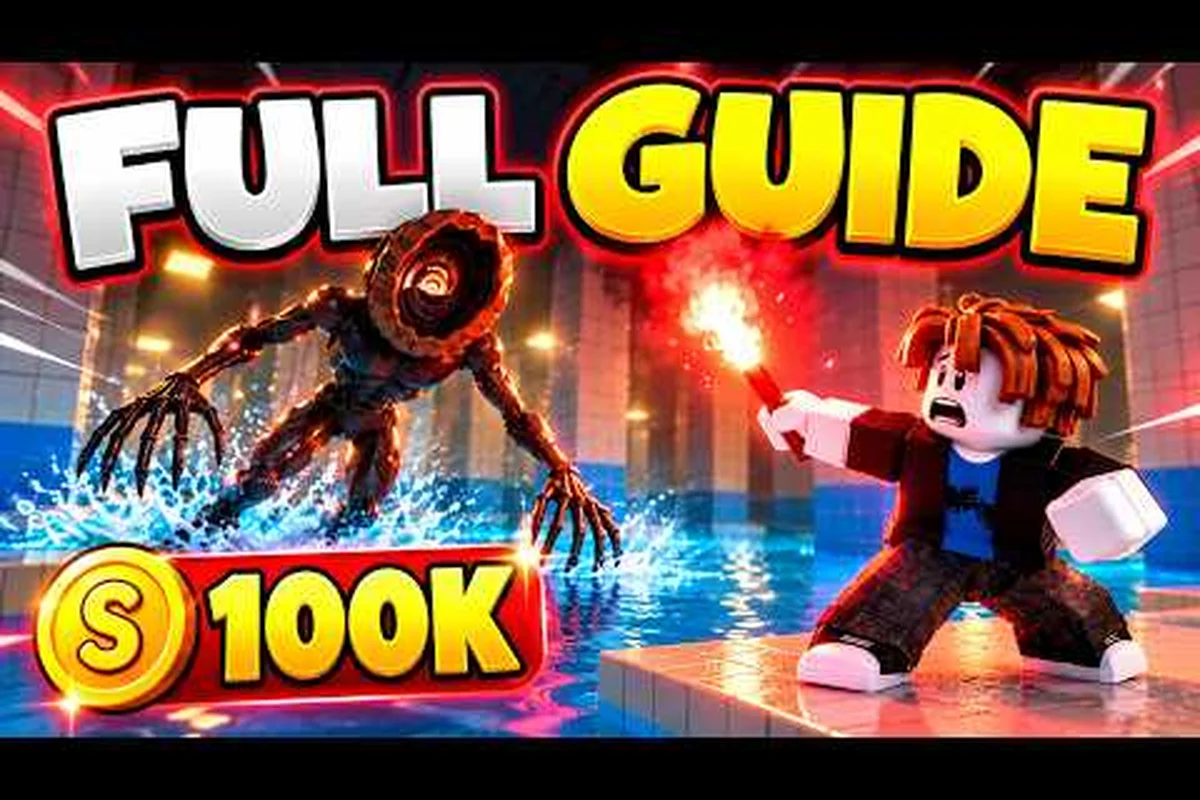
DONT SPLASH monster guide: Avoid the Blind Creature
Learn how the dont splash monster guide reveals IT as blind, patrols under water, and hunts players through splash sounds rather than sight.
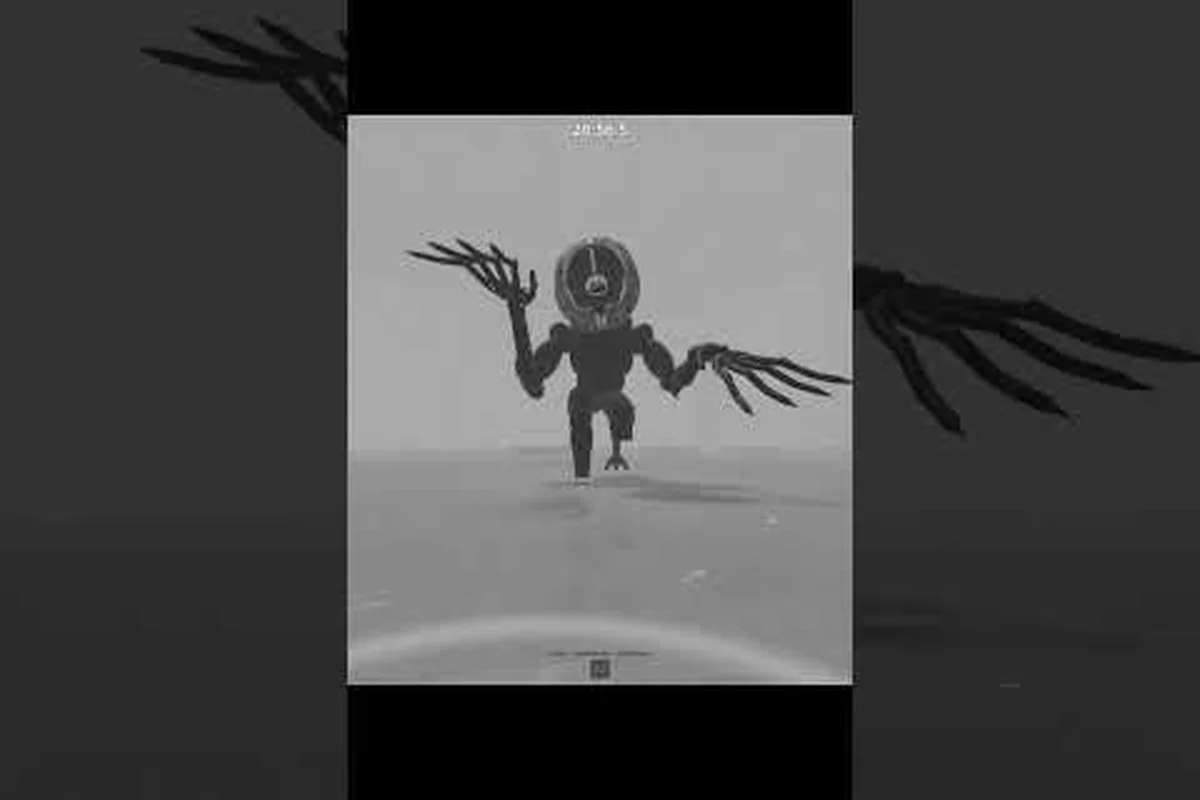
DONT SPLASH monster line of sight explained
Understand dont splash monster line of sight, including why IT is blind, hunts by sound, and tracks the exact location of noisy splashes.
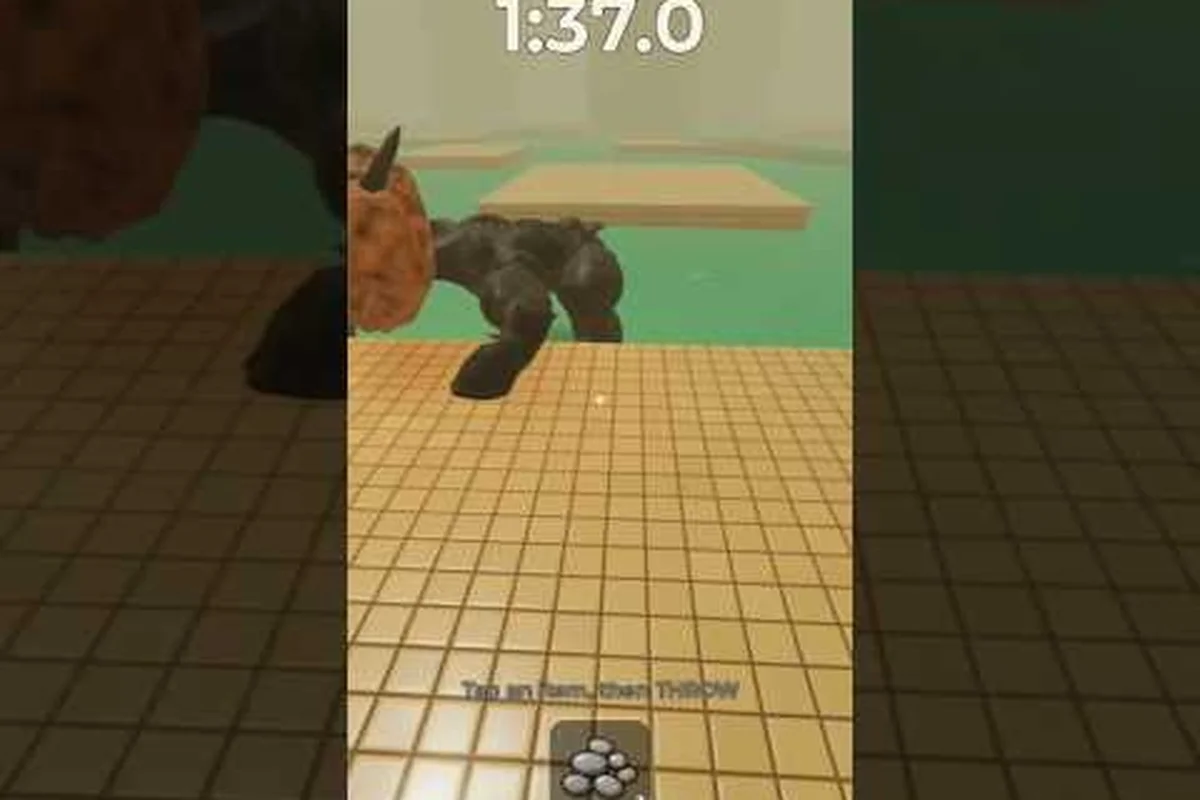
DONT SPLASH monster update changes explained
Review dont splash monster update changes to IT’s blind detection, underwater patrols, speed, and the jump-scare behavior players must avoid.
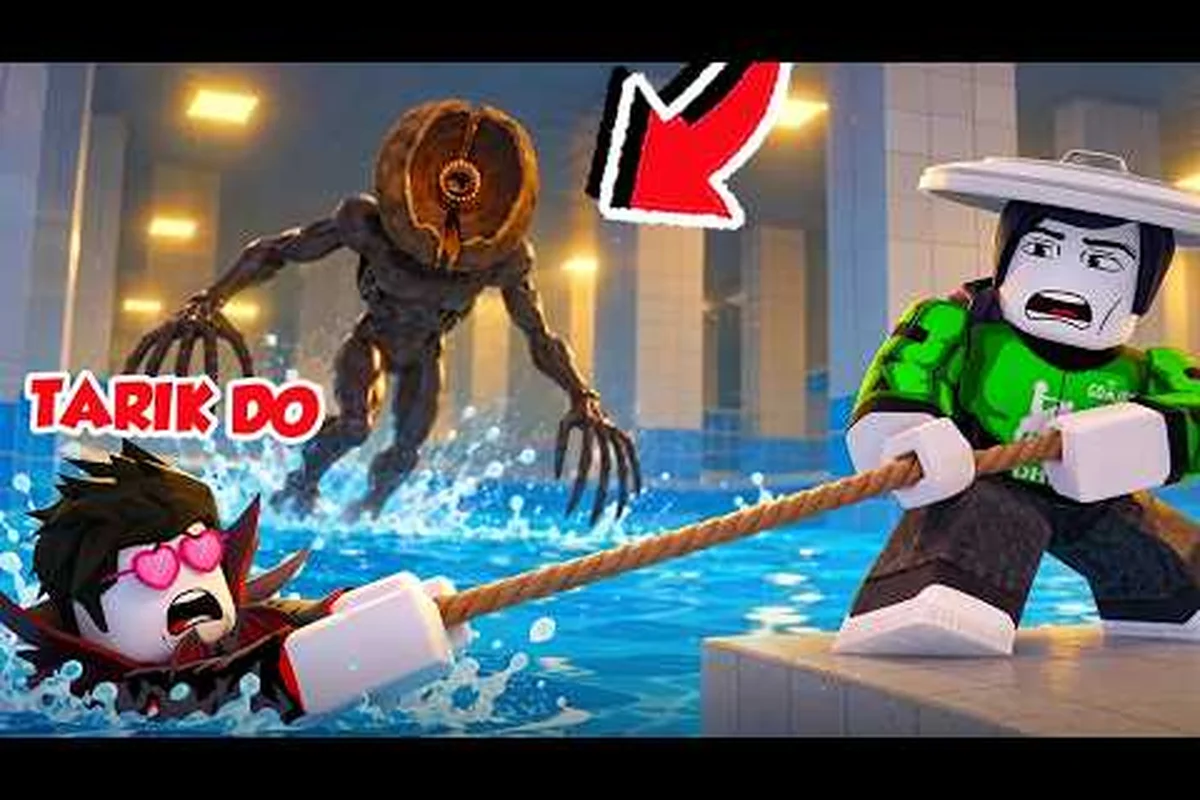
DONT SPLASH What Counts as a Splash: IT's Rules
Learn what counts as a splash in DONT SPLASH, from water entries and midair impacts to dry landings that can trigger IT's blind charge.